Behind the Scenes: Sketches and Artistic Process
Art is a journey, not just a destination. Every masterpiece begins with a simple sketch, a fleeting idea captured on paper. In this blog post, we will explore the artistic process behind creating sketches and how they serve as the foundation for larger works.
Sketching is often the first step in the creative process. It allows artists to experiment with ideas, shapes, and forms. This post will take you behind the scenes, revealing the techniques and thoughts that go into each sketch.
The Importance of Sketching
Sketching is more than just drawing. It is a way to communicate ideas visually. Artists use sketches to explore concepts before committing to a final piece.
Idea Generation: Sketches help artists brainstorm. They can quickly jot down thoughts and visualize them.
Composition Planning: A sketch allows artists to plan the layout of their work. They can adjust elements before starting the final piece.
Experimentation: Sketching encourages experimentation. Artists can try different styles, colors, and techniques without the pressure of perfection.
Sketching is a vital part of the artistic process. It lays the groundwork for what is to come.
Tools of the Trade
Every artist has their preferred tools for sketching. The choice of materials can greatly influence the outcome of a sketch. Here are some common tools used by artists:
Pencils: Graphite pencils are a favorite for their versatility. They allow for fine details and shading.
Charcoal: Charcoal provides a rich, dark line. It is great for bold sketches and expressive work.
Ink: Inking can add a different texture to sketches. It is often used for finalizing ideas.
Digital Tools: Many artists now use tablets and software for sketching. This allows for easy editing and sharing.
Choosing the right tools can enhance the sketching experience. Each medium offers unique possibilities.
Finding Inspiration
Inspiration can come from anywhere. Artists often look to their surroundings for ideas. Here are some common sources of inspiration:
Nature: The beauty of the natural world can spark creativity.
Everyday Life: Ordinary moments can lead to extraordinary sketches.
Art History: Studying the work of other artists can inspire new ideas.
Travel: New places can provide fresh perspectives and subjects.
Finding inspiration is a personal journey. Each artist has their own way of discovering what moves them.
The Sketching Process
The sketching process can vary from artist to artist. However, there are some common steps that many follow:
Observation: Take a moment to observe the subject. Notice the details and shapes.
Light Sketching: Start with light lines to outline the basic shapes.
Refinement: Gradually refine the sketch, adding details and depth.
Shading and Texture: Use shading to create dimension. Add texture to bring the sketch to life.
Final Touches: Review the sketch and make any final adjustments.
Each step is important in creating a successful sketch. It is a process that requires patience and practice.
The Role of Mistakes
Mistakes are a natural part of the artistic process. They can lead to unexpected discoveries. Here’s how to embrace mistakes in sketching:
Learn from Them: Each mistake is a lesson. Analyze what went wrong and how to improve.
Incorporate Them: Sometimes, a mistake can lead to a new idea. Embrace the unexpected.
Stay Flexible: Be open to changing your original plan. Adaptation can lead to exciting results.
Mistakes should not be feared. They are an essential part of growth as an artist.
Showcasing Sketches
Once sketches are complete, artists often want to share their work. Here are some ways to showcase sketches:
Social Media: Platforms like Instagram and Pinterest are great for sharing visual art.
Art Exhibitions: Local galleries often host exhibitions for artists to display their work.
Art Books: Compiling sketches into a book can create a lasting portfolio.
Online Portfolios: Creating a website to showcase sketches can attract potential clients.
Sharing sketches can help artists connect with others and gain feedback. It is a way to build a community around art.
The Evolution of a Sketch
A sketch can evolve into many forms. Here are some common paths a sketch might take:
Painting: Many artists use sketches as a base for paintings.
Digital Art: Sketches can be scanned and transformed into digital art.
Illustration: Sketches can serve as the foundation for illustrations in books or magazines.
Sculpture: Some artists use sketches to plan three-dimensional works.
The possibilities are endless. A simple sketch can lead to a variety of artistic expressions.
The Emotional Connection
Sketching is not just a technical process; it is also emotional. Artists often pour their feelings into their sketches. Here’s how emotions play a role:
Expression: Sketches can convey emotions that words cannot.
Therapeutic: Many artists find sketching to be a form of therapy. It allows them to express their feelings.
Connection: Viewers can connect with the emotions in a sketch. This connection can make art more impactful.
Art is a reflection of the artist's inner world. Sketches can reveal deep emotions and thoughts.
The Final Product
After the sketching process, artists often create a final piece. This could be a painting, a digital artwork, or a sculpture. The final product is often a culmination of all the ideas explored in the sketches.
Reflection: Artists often reflect on their sketches when creating the final piece.
Adaptation: The final product may differ from the original sketch. This is a natural part of the creative process.
Satisfaction: Completing a final piece can bring a sense of accomplishment.
The journey from sketch to final product is rewarding. It showcases the growth and evolution of an artist's vision.
A Glimpse into My Sketchbook
To give you a better understanding of the sketching process, here is a glimpse into my sketchbook.
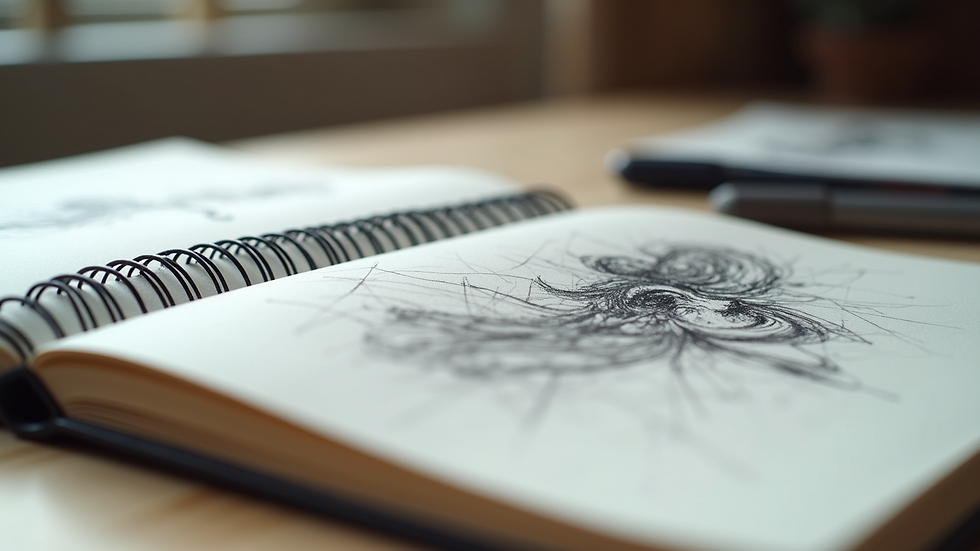
In this image, you can see a variety of sketches. Each one represents a different idea or concept. Some are rough, while others are more refined. This diversity reflects the exploration that happens during the sketching process.
The Journey Continues
The artistic process is ongoing. Sketching is just one part of a larger journey. Artists continue to learn and grow with each new piece.
Practice: Regular sketching helps improve skills.
Feedback: Seeking feedback from others can provide new insights.
Experimentation: Trying new techniques keeps the creative process fresh.
The journey of an artist is never truly complete. There is always more to explore and discover.
Embracing Your Artistic Journey
Whether you are an experienced artist or just starting, embracing your artistic journey is essential. Here are some tips to help you along the way:
Be Patient: Growth takes time. Allow yourself to make mistakes and learn from them.
Stay Curious: Always seek new inspiration and ideas.
Connect with Others: Join art communities to share experiences and gain support.
Enjoy the Process: Remember to have fun and enjoy the creative process.
Art is a personal journey. Each artist's path is unique, filled with challenges and triumphs.
As you explore your own artistic process, remember that every sketch is a step forward. Embrace the journey, and let your creativity flow.


Comments